Column · @paxtonqleo187
The Distinction Between Assisted Living and Skilled Nursing
Business Name: BeeHive Homes of Alamogordo
Address: 1106 San Cristo St, Alamogordo, NM 88310
Phone: (575) 215-3900
BeeHive Homes of Alamogordo
Beehive Homes assisted living care is ideal for those who value their independence but require help with some of the activities of daily living. Residents enjoy 24-hour support, private bedrooms with baths, medication monitoring, home-cooked meals, housekeeping and laundry services, social activities and outings, and daily physical and mental exercise opportunities. Beehive Homes memory care services accommodates the growing number of seniors affected by memory loss and dementia. Beehive Homes offers respite (short-term) care for your loved one should the need arise. Whether help is needed after a surgery or illness, for vacation coverage, or just a break from the routine, respite care provides you peace of mind for any length of stay.
1106 San Cristo St, Alamogordo, NM 88310
Business Hours
Families normally begin contrasting care options at the exact same elder care minute life obtains much more complicated. A parent misses out on medicines, has a loss, gets back from the health center weak than previously, or just can not keep up with dishes, bathing, and your house any longer. That is when the search begins for senior care near me, and two terms show up time and again: assisted living and experienced nursing.
The confusion is reasonable due to the fact that both are senior living alternatives, both can assist older grownups remain safer, and both sit under the broader umbrella of senior care. Yet they are constructed for really various needs. The wrong choice can indicate spending for even more care than somebody needs, or, just as problematically, not enough assistance for a person whose health is transforming fast.
The distinction issues since it forms the pace of the day, the level of clinical oversight, the price, and even the kind of self-respect an individual can protect. One setting is created for support with daily life. The various other is designed for clinical recuperation and hefty hands-on care. That difference sounds simple on paper, yet in reality it obtains obscured by marketing language and by the natural hope that a loved one will "improve enough" to fit someplace less intensive. In some cases that happens. Often it does not.
What assisted living is actually for
Assisted living is suggested for older adults that need assist with day-to-day tasks however do not call for day-and-night nursing. Citizens in assisted living typically can navigate on their own or with some aid, and they do not need continuous clinical guidance. What they do need is trusted assistance with the activities that end up being harder with age.
That often includes help with showering, clothing, grooming, medicine reminders, dishes, housekeeping, transport, and maybe a little guidance to prevent missed out on appointments or unsafe situations. For several family members, assisted living supplies an equilibrium that is difficult to duplicate in your home. It protects personal privacy and autonomy while lowering the burden of day-to-day tasks and safety concerns.
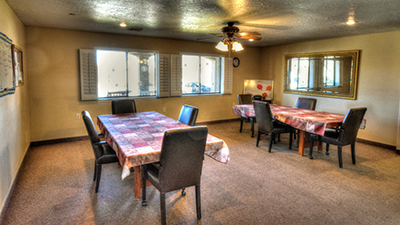
A good assisted living community really feels residential, not scientific. Dishes are offered in dining rooms, there might be social activities, and homeowners frequently have personal or semi-private apartments. The objective is to keep life as normal as feasible, with simply enough support to prevent the small failings from piling up into major risks.
I have seen family members postpone this action since they think it means "giving up freedom." In practice, it typically does the opposite. An individual that is spending the majority of the day alone, eating irregularly, missing medications, and stressing over the staircases at home is not living individually in any significant sense. Assisted living can bring back framework and confidence.
What competent nursing is built to do
Skilled nursing is a higher level of care. It is designed for people who require medical attention and hands-on nursing assistance everyday, often numerous times a day. This is the establishing individuals commonly need after a hospitalization, a major surgical treatment, a stroke, a severe autumn, a difficult infection, or an abrupt decrease in function.
Unlike assisted living, competent nursing is staffed by licensed nurses all the time, with care plans that include direct medical oversight. Locals may need injury care, injections, tube feeding, oxygen management, IV therapy, rehabilitation solutions, or assist with almost all activities of daily living. Some citizens remain only short term while they recover. Others need longer remains due to the fact that their clinical requirements are persistent and substantial.
Skilled nursing also tends to have a more professional rhythm. There are drug passes, treatment schedules, medical professional oversight, charting, skin checks, and frequent analyses. An individual who is medically vulnerable may be safer there than anywhere else, specifically if they are not stable sufficient for a residential environment.
The difference is not simply staffing. It is the purpose of the setup. Experienced nursing exists to deal with, monitor, and maintain. Assisted living exists to support, streamline, and preserve independence.
The clearest distinctions, side by side
People frequently request for a simple method to contrast the two, and there is one, though the real life is always messier than a graph. Still, these are the major dividing lines:
|Location|Assisted Living|Experienced Nursing||-- |-- |--|| Main purpose|Assistance with everyday living|Medical care and recovery|| Staffing|Caretakers and some nursing oversight|Licensed nurses 24/7, plus medical personnel|| Medical requires|Mild to moderate, usually stable|Complicated, regular, or changing clinical needs|| Daily aid|Showering, dressing, meals, tips|Considerable individual care plus competent treatments|| Atmosphere|Residential, social, home-like|A lot more clinical, recovery-focused|| Size of stay|Often long-term|Commonly short term, often long-term|| Expense pattern|Normally lower than competent nursing|Normally higher as a result of clinical strength|
Even with a table such as this, there are grey areas. Some assisted living communities have memory care areas or enhanced care options. Some experienced nursing facilities supply short-term rehabilitation that looks short-term theoretically however can stretch out for weeks or months. The tags matter, however the person's real demands matter more.
How to tell which degree of care fits
The right choice generally comes down to function, not age. Two individuals may be the same age and require very various assistance. One is golf twice a week and only requires aid organizing drugs. An additional requires assistance transferring from bed to chair and has multiple persistent problems that require close monitoring.
A practical means to think of it is this: assisted living is typically appropriate when the person needs assistance living everyday, but not consistent medical intervention. Knowledgeable nursing comes to be necessary when the individual's health and wellness calls for active nursing care, experienced surveillance, or rehabilitation that can not be securely taken care of in a residential setting.
There are a few patterns that typically point toward assisted living. An individual might neglect medicines, have trouble preparing meals, feel isolated living alone, need assistance showering, or fight with stairs and chores. They might still take pleasure in conversation, activities, and some independence, but the logistics of home life have become unmanageable.
Skilled nursing is usually the better fit when the individual is clinically unsteady or physically reliant in a manner that needs licensed nursing care. That includes circumstances like constant falls tied to serious weakness, facility injury care, dementia with actions that call for close guidance, current a hospital stay with sluggish healing, or conditions that need daily scientific assessment.
Families commonly try to decide based on what really feels psychologically easier. That is reasonable, yet it is not always risk-free. If somebody requires experienced nursing and lands in assisted living, team might be able to do just a lot before the family is back in crisis. If someone just needs assisted living but enters experienced nursing, the individual may shed personal privacy, invest even more money than necessary, and really feel institutionalized for no good reason.

Cost, insurance coverage, and the component family members underestimate
Money goes into the photo swiftly, and it should. Senior care is expensive, and the rates distinctions in between assisted living and skilled nursing can be significant.
Assisted living is typically paid out of pocket, a minimum of partially. Some families use a mix of individual financial savings, retirement earnings, long term care insurance coverage, or the sale of a home. The monthly fee typically covers real estate, dishes, basic personal care, activities, and some guidance, but not intensive clinical treatment.
Skilled nursing is various. Because it is clinical in nature, there might be more insurance policy protection in particular circumstances, specifically for temporary rehabilitation after a certifying hospital keep, depending upon the person's insurance policy and scientific eligibility. Lasting keeps are a various issue and can become extremely pricey. The billing structure is much more challenging, and family members sometimes get stunned by what is covered and what is not.
This is one reason individuals looking for assisted living near me ought to ask really specific concerns, not nearly rental fee and meals, yet regarding what takes place if a resident begins needing even more assistance. Some areas can boost services slowly. Others will certainly not have the ability to satisfy needs that have gone across right into skilled territory. It is far better to ask prior to a situation than after the discharge organizer is contacting a Friday afternoon.
The emotional difference is actual, too
People discuss care degrees as if they are totally medical decisions, but the emotional experience matters a lot. Assisted living often feels like a move right into a brand-new community with support nearby. Residents might still enhance their very own room, select their meals, sign up with activities, and form regimens that really feel familiar.
Skilled nursing can feel much more severe, due to the fact that it generally arrives after a wellness dilemma. That alone alters the mood. Individuals may be weak, anxious, or temporarily dependent in means they were not in the past. Family members often describe skilled nursing as an area of healing and alertness. Also when the personnel is excellent, the sensation is extra hospital-like than home-like.
That does not imply proficient nursing is chilly or that assisted living is always warm and comfortable. I have actually seen stunning assisted living areas with thin interaction and I have seen experienced nursing centers with deeply thoughtful groups. Still, the structure of each setting shapes the experience. Assisted living usually attempts to preserve way of life. Competent nursing normally focuses on safety and clinical management.
A couple of real-world examples
A widow in her late eighties might be living alone, neglecting to take her pills, and avoiding food preparation since the oven feels hazardous. She is still social, still appreciates analysis, and still intends to make her own selections. Assisted living may fit her well.
A man recouping from a hip crack might need assistance entering and out of bed, physical therapy numerous times a week, discomfort monitoring, and nursing oversight for an injury. He may start in experienced nursing for rehab, after that transfer to assisted living later on if he recovers enough to need much less support.
A lady with advanced cardiac arrest who needs frequent weight checks, medicine adjustments, oxygen, and close monitoring might call for experienced nursing because her problem can transform swiftly. A residential setting might miss out on essential caution signs.
An individual with early dementia that only requires reminders, framework, and guidance may succeed in assisted living. A person with dementia who is roaming, incontinent, and incapable to acknowledge fundamental safety risks may need an extra protected and clinically entailed environment, depending on the specifics.
These situations are not abstract. They are the type of decisions households face after a healthcare facility stay, during a decline in the house, or when a caretaker is merely put on out.
Questions worth asking when exploring communities
When you start comparing senior living options, the advertising and marketing materials only inform part of the story. Tour the location, talk to personnel, and ask practical concerns that expose what daily life is actually like.
Here are a couple of concerns that assist divide both degrees of care in a significant means:
- What level helpful do homeowners normally get with bathing, dressing, and medications?
- Is nursing staff on website all the time, and if so, what can they handle?
- What takes place if a resident's problem aggravates after move-in?
- Can the neighborhood assistance memory issues, movement problems, or persistent illness?
- How commonly are care plans evaluated and updated?
Those conversations tell you greater than a shiny brochure ever will. They also assist families stay clear of the common error of presuming every senior living community can supply the very same degree of support.
Respite care can be component of the decision
Respite care deserves discussing because it often provides family members a low-risk way to examine a setup prior to making an irreversible action. If you are unclear whether a loved one requires assisted living or competent nursing, a short respite stay can make clear a great deal. An individual who fears in your home however works out in well with meals, help, and routine may be a solid assisted living prospect. A person who promptly shows indicators of needing much more clinical support might need a knowledgeable nursing strategy instead.
Respite care additionally offers household caretakers a breather. That matters more than individuals admit. Caregiving tiredness can shadow judgment. When somebody is exhausted, every option looks either too much or otherwise enough. A brief stay can create area for more clear thinking and much better planning.
The transition from one level to another
One of the hardest parts of senior care is approving that needs can transform. An individual might get in assisted living and later demand proficient nursing after an autumn, a stroke, or a high decrease. That does not suggest the original relocation was incorrect. It indicates the care strategy has to develop with the person.
The most helpful neighborhoods are truthful concerning this from the get go. They do not guarantee that a person setup will solve every trouble permanently. They explain what they can handle now and what would activate a various degree of care later.
Families must likewise recognize that moving from experienced nursing back to assisted living is in some cases possible, specifically after recovery. I have seen individuals improve enough after rehab to go back to a much less extensive atmosphere with less services. That sort of transition is motivating, yet it relies on actual function, not wishful thinking.

What issues most when making the decision
The finest choice is the one that matches the individual's real requirements, not the one that sounds nicest. Assisted living offers a supportive, residential setting for people that require aid with the basics of daily life. Competent nursing gives medical care, rehabilitation, and close oversight for individuals with severe or transforming health and wellness needs.
If you are comparing senior care choices, focus on where the person is currently, not where you wish they will certainly remain in six months. Consider mobility, cognition, drug intricacy, recent health center keeps, continence, fall threat, and just how much aid is needed to make it through a normal day. That assessment is more useful than age alone, and more useful than an unclear guarantee that "they seem okay for now."
Families typically begin with a look for senior care near me and wind up finding out that the actual inquiry is not proximity. It is fit. The appropriate setting ought to make every day life much safer, calmer, and more convenient, while preserving as much dignity and self-reliance as possible. For some individuals that means assisted living. For others it suggests competent nursing. And for several households, the most intelligent course is to be sincere regarding the distinction before a situation compels the answer.
BeeHive Homes of Alamogordo provides assisted living care
BeeHive Homes of Alamogordo provides memory care services
BeeHive Homes of Alamogordo provides respite care services
BeeHive Homes of Alamogordo supports assistance with bathing and grooming
BeeHive Homes of Alamogordo offers private bedrooms with private bathrooms
BeeHive Homes of Alamogordo provides medication monitoring and documentation
BeeHive Homes of Alamogordo serves dietitian-approved meals
BeeHive Homes of Alamogordo provides housekeeping services
BeeHive Homes of Alamogordo provides laundry services
BeeHive Homes of Alamogordo offers community dining and social engagement activities
BeeHive Homes of Alamogordo features life enrichment activities
BeeHive Homes of Alamogordo supports personal care assistance during meals and daily routines
BeeHive Homes of Alamogordo promotes frequent physical and mental exercise opportunities
BeeHive Homes of Alamogordo provides a home-like residential environment
BeeHive Homes of Alamogordo creates customized care plans as residents’ needs change
BeeHive Homes of Alamogordo assesses individual resident care needs
BeeHive Homes of Alamogordo accepts private pay and long-term care insurance
BeeHive Homes of Alamogordo assists qualified veterans with Aid and Attendance benefits
BeeHive Homes of Alamogordo encourages meaningful resident-to-staff relationships
BeeHive Homes of Alamogordo delivers compassionate, attentive senior care focused on dignity and comfort
BeeHive Homes of Alamogordo has a phone number of (575) 215-3900
BeeHive Homes of Alamogordo has an address of 1106 San Cristo St, Alamogordo, NM 88310
BeeHive Homes of Alamogordo has a website https://beehivehomes.com/locations/alamogordo/
BeeHive Homes of Alamogordo has Google Maps listing https://maps.app.goo.gl/ADjJ88EoCTadK58t5
BeeHive Homes of Alamogordo has Instagram page https://www.instagram.com/beehivealamogordo/
BeeHive Homes of Alamogordo has an YouTube page https://www.youtube.com/@WelcomeHomeBeeHiveHomes
BeeHive Homes of Alamogordo won Top Assisted Living Homes 2025
BeeHive Homes of Alamogordo earned Best Customer Service Award 2024
BeeHive Homes of Alamogordo placed 1st for Senior Living Communities 2025
People Also Ask about BeeHive Homes of Alamogordo
What is BeeHive Homes of Alamogordo Living monthly room rate?
The rate depends on the level of care that is needed. We do a pre-admission evaluation for each resident to determine the level of care needed. The monthly rate is based on this evaluation. There are no hidden costs or fees
Can residents stay in BeeHive Homes until the end of their life?
Usually yes. There are exceptions, such as when there are safety issues with the resident, or they need 24 hour skilled nursing services
Do we have a nurse on staff?
No, but each BeeHive Home has a consulting Nurse available 24 – 7. if nursing services are needed, a doctor can order home health to come into the home
What are BeeHive Homes’ visiting hours?
Visiting hours are adjusted to accommodate the families and the resident’s needs… just not too early or too late
Do we have couple’s rooms available?
Yes, each home has rooms designed to accommodate couples. Please ask about the availability of these rooms
Where is BeeHive Homes of Alamogordo located?
BeeHive Homes of Alamogordo is conveniently located at 1106 San Cristo St, Alamogordo, NM 88310. You can easily find directions on Google Maps or call at (575) 215-3900 Monday through Sunday 9:00am to 5:00pm
How can I contact BeeHive Homes of Alamogordo?
You can contact BeeHive Homes of Alamogordo by phone at: (575) 215-3900, visit their website at https://beehivehomes.com/locations/alamogordo/ or connect on social media via Instagram Facebook or YouTube
You might take a short drive to the New Mexico Museum of Space History. New Mexico Museum of Space History offers fascinating exhibits that create an engaging outing for assisted living, memory care, senior care, elderly care, and respite care residents.